If you want to experience the Swiss Alps by car to the fullest in 5 days, the ideal route starts from Zurich, climbs the Oberalp Pass, passes through the Ruinaulta Rhine Gorge, crosses over to conquer the Stelvio Pass on the Italian side, loops back via the Bernina Pass, and finishes in the Engadine Valley before returning to Zurich. This trip is best done during the summer, around June to October, because many high mountain passes are closed in winter.
This article is a day-by-day route guide for driving enthusiasts, whether you want to take the wheel of a sports car yourself or sit back and enjoy the scenery in a private van with driver, along with ideas for scenic train rides like the Glacier Express and Bernina Express in the same area for those who want to explore Switzerland on a private tour with See You Again.
5-Day Route Overview
- Day 1 Arrive in Zurich, pick up the car, rest, and adjust to the time zone
- Day 2 Zurich – Andermatt – Oberalp Pass – Ruinaulta Rhine Gorge – Chur – enter the Engadine region
- Day 3 The big day of the trip: Stelvio Pass (Italy) and Bernina Pass
- Day 4 Explore the Engadine Valley and scenic passes, then drive back to Zurich
- Day 5 Return the car, depart from Zurich
The entire route is located in the canton of Graubünden in eastern Switzerland, which has one of the highest concentrations of mountain passes to drive in the country, with one day crossing the border into northern Italy. Driving times estimated in this article are calculated from maps and do not include photo stops, meal breaks, or peak-season traffic, which on real mountain passes often take considerably more time than the figures on the map.
Day 1: Arrive in Zurich, Pick Up the Car, and Rest Up
On the first day, you should not rush to drive far. After flying for many hours, your body has not yet adjusted to the time zone. You should pick up your car and check in to your accommodation in Zurich or around Lake Zurich, spend the afternoon strolling through the Old Town along the Limmat River, and give yourself time to get used to the vehicle you will be driving, especially if it is a high-performance car you have never driven before.
Things to check on the first day:
- Driver documents: Thai driver's license with an International Driving Permit, and the driver's credit card for the car deposit
- Swiss motorway sticker (vignette): confirm that the car already has one. Most rental cars in Switzerland already include it, but you should confirm clearly
- Cross-border conditions for taking the car into Italy: because Day 3 takes you out of Switzerland, and some car rental companies require advance notification
- Set your GPS to avoid closed roads and download offline maps, as cell phone reception is weak along some mountain stretches
Day 2: Oberalp Pass and the Ruinaulta Rhine Gorge
Depart from Zurich heading south along Lake Lucerne on the Uri canton side, then head up into the mountains to Andermatt, an alpine village in central Switzerland, covering a distance of about 110 kilometers and roughly a 1.5-hour drive. From here, the road begins climbing the Oberalp Pass.
Oberalp Pass
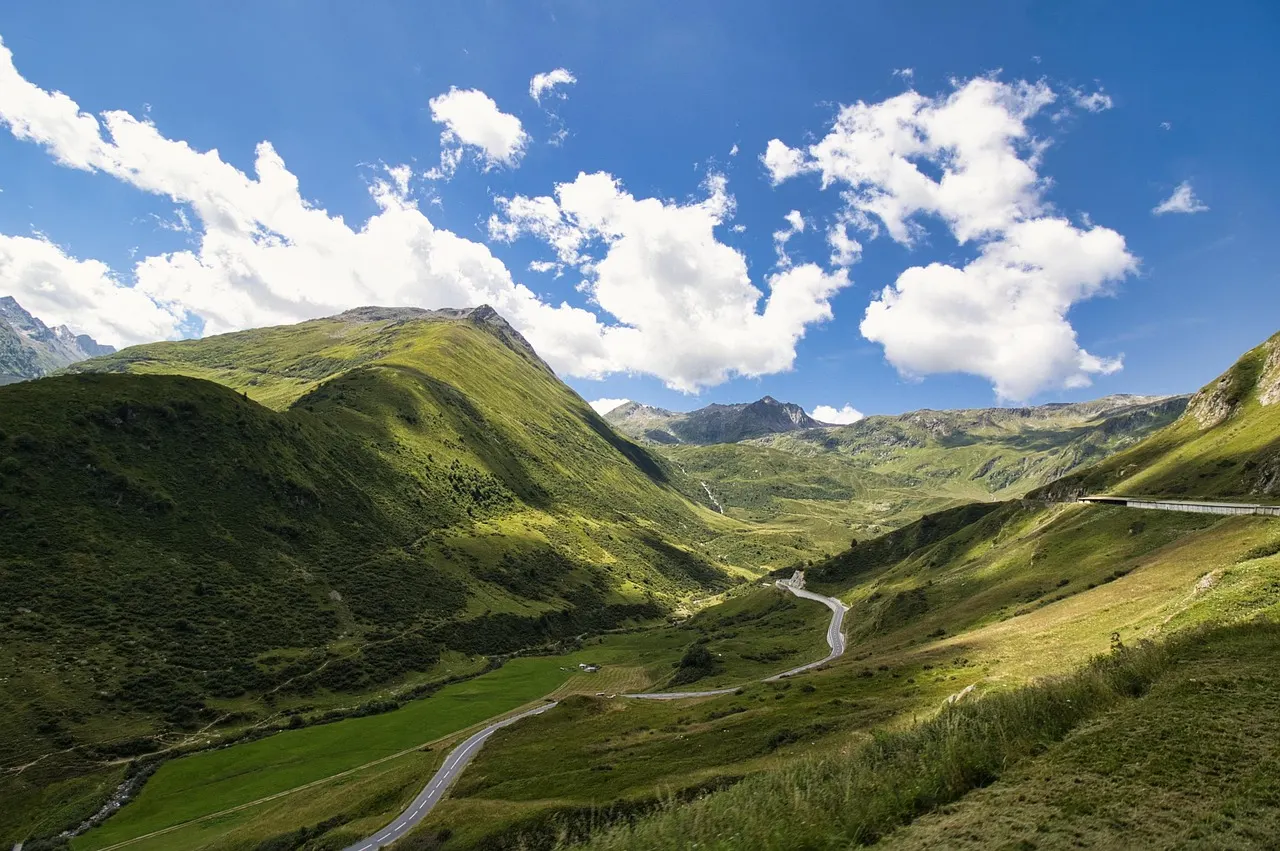
The Oberalp Pass sits at an elevation of around 2,044 meters, connecting the canton of Uri with the canton of Graubünden. The road features continuous curves that are fun to drive without being overly demanding, making it an ideal first pass to warm up on. At the summit, there is a small lake and a red lighthouse erected as a symbol of being near the source of the Rhine River, making it a popular photo stop. This road is closed in winter, typically opening around late April to May and closing around late October to December depending on snow.
Along this same side runs the route of the Glacier Express train. The highest point of this railway line is at the Oberalp Pass, around 2,033 meters. If your timing is right, you might catch a glimpse of the red train gliding across the meadows while you drive.
Descending into the Upper Rhine Valley
From the Oberalp summit, the road descends to Disentis, a town with a striking ancient abbey on the hillside, then traces the Upper Rhine (Vorderrhein) eastward. This stretch of road passes through small villages that still speak Romansh, Switzerland's fourth national language.
Ruinaulta, the Swiss Grand Canyon
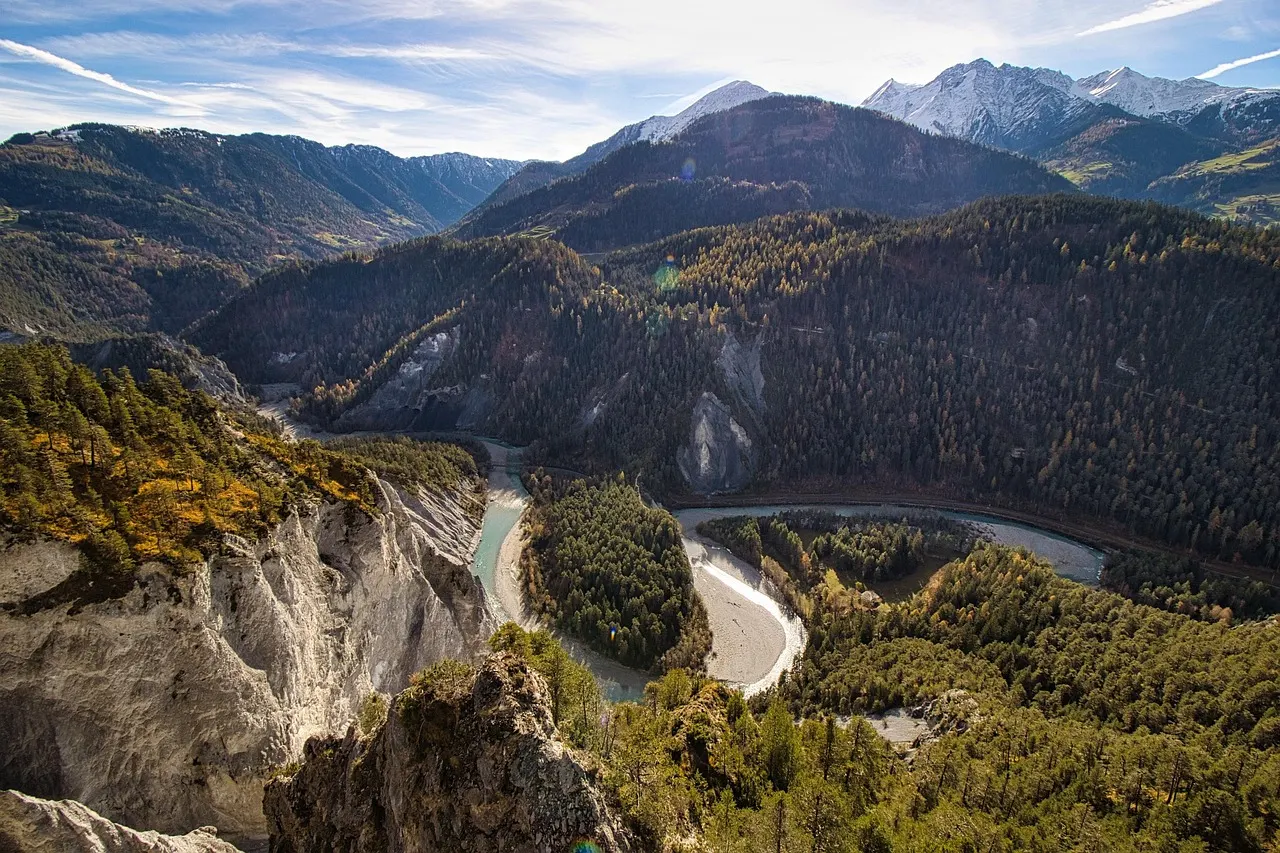
Along the way before reaching Flims is the Rhine Gorge known as Ruinaulta. The white limestone cliffs were created by a massive post-ice age landslide, which the Rhine River gradually eroded into the winding gorge seen today. A popular viewpoint is the viewing platform near the village of Conn, where you must park and continue on foot. For those who want to see the gorge from below, the Rhaetian Railway line and the Glacier Express also run along the river through this valley.
From Flims, continue driving to Chur, the cantonal capital, and cross the mountains into the Engadine region. Tonight, we recommend staying around Pontresina or St. Moritz to be close to tomorrow's passes. The total distance for the day is around 290 kilometers, with a map driving time of about 5 hours. Factoring in stops, you should allow for a full day.
Day 3: Stelvio Pass and Bernina Pass
Today is the highlight driving enthusiasts have been waiting for. You should leave early to avoid the cars and cyclists that pick up later in the morning.
Route to Stelvio via the Swiss National Park
From Pontresina, drive down the Engadine Valley to Zernez, then climb the Ofen Pass (Ofenpass), which cuts through the Swiss National Park with gorgeous pine forests and streams on both sides. Next, descend into Val Müstair and ascend the Umbrail Pass, which meets the Stelvio road right near the top. The Umbrail Pass is also closed in winter and generally opens later than lower-elevation passes.
Stelvio Pass (Passo dello Stelvio)
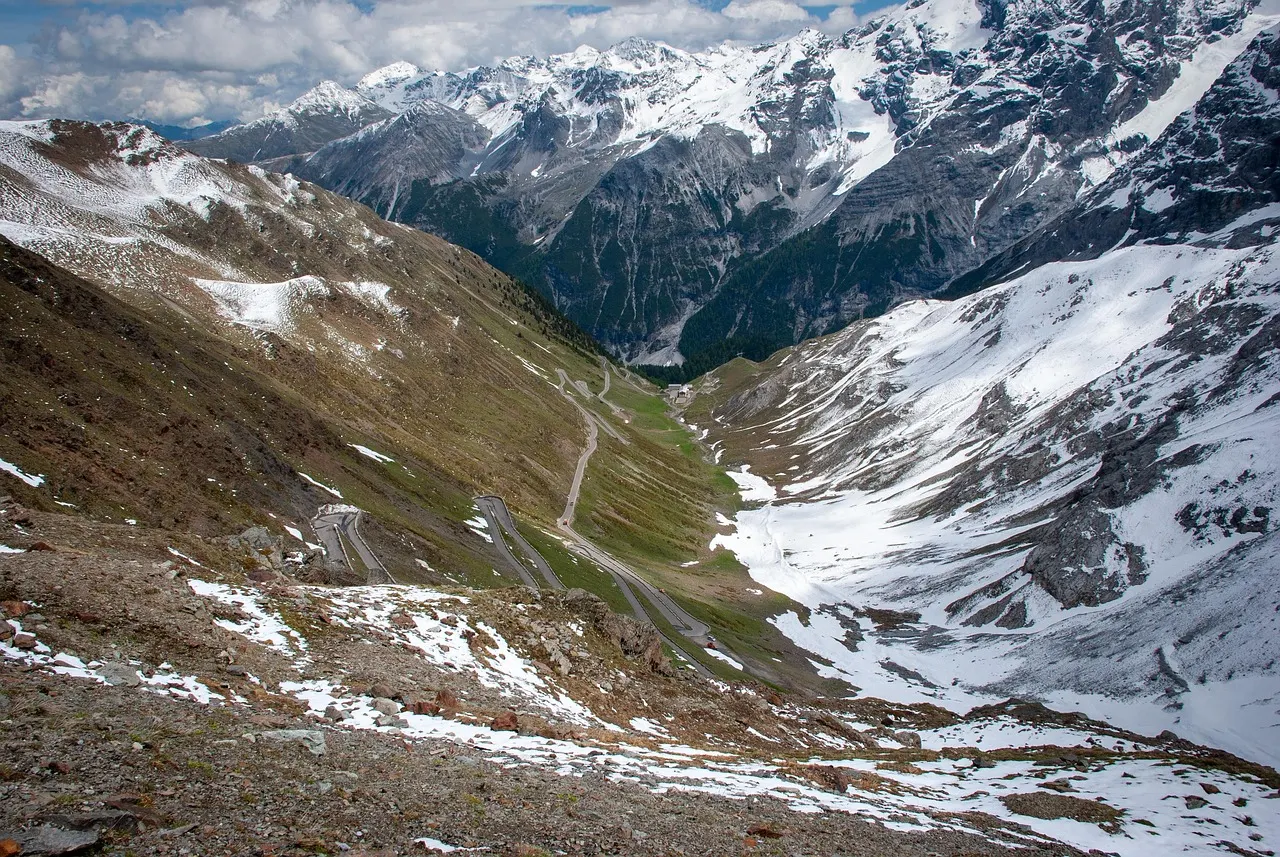
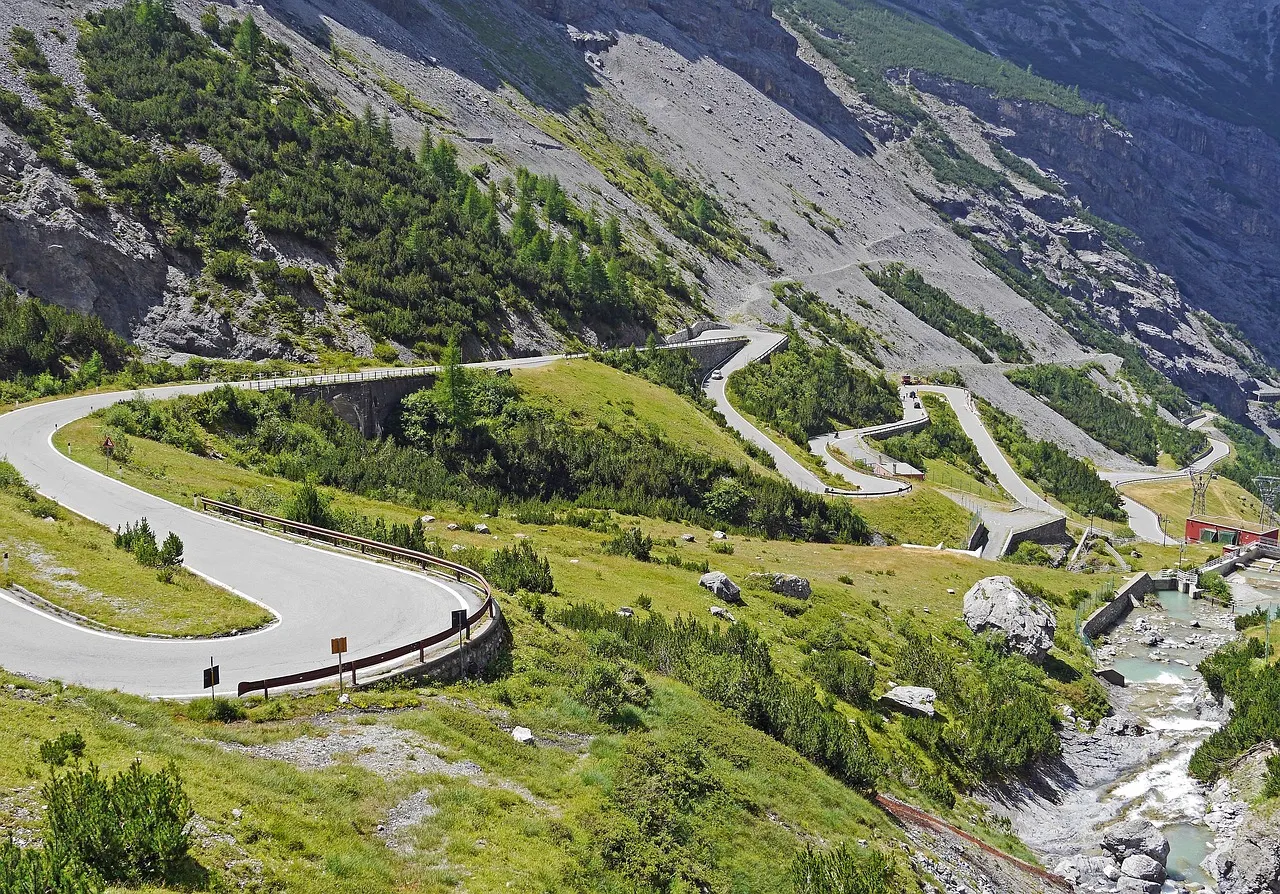
Stelvio is in Italy, right on the Swiss border, with a summit around 2,758 meters high. It is Italy's highest mountain pass road and among the highest in Europe. The world-famous view is the eastern road from the village of Prad through Trafoi, featuring 48 hairpin turns winding up the mountain. Meanwhile, the southern Bormio side is just as scenic, with tunnels and curves.
Things to know before heading up Stelvio:
- The road is narrow in many sections. On some hairpin turns, larger vehicles must reverse to make the turn. Always drive slowly and keep a safe distance.
- There are many cyclists and motorcyclists during the summer. Only overtake when the road ahead is clearly visible.
- On certain summer days, the road is closed exclusively for bicycles, and it may close temporarily due to weather. Check that year's road closure dates before planning.
- The summit is cold even in summer; always keep a warm jacket in the car.
Bormio - Tirano - Bernina Pass
Descend from Stelvio to Bormio, an Italian spa and ski resort town perfect for stopping for an Italian lunch. Then drive down the Valtellina valley to Tirano, the border town that serves as the terminus of the Bernina Express train. From there, cross back into Switzerland and climb up the Valposchiavo valley to Bernina Pass.
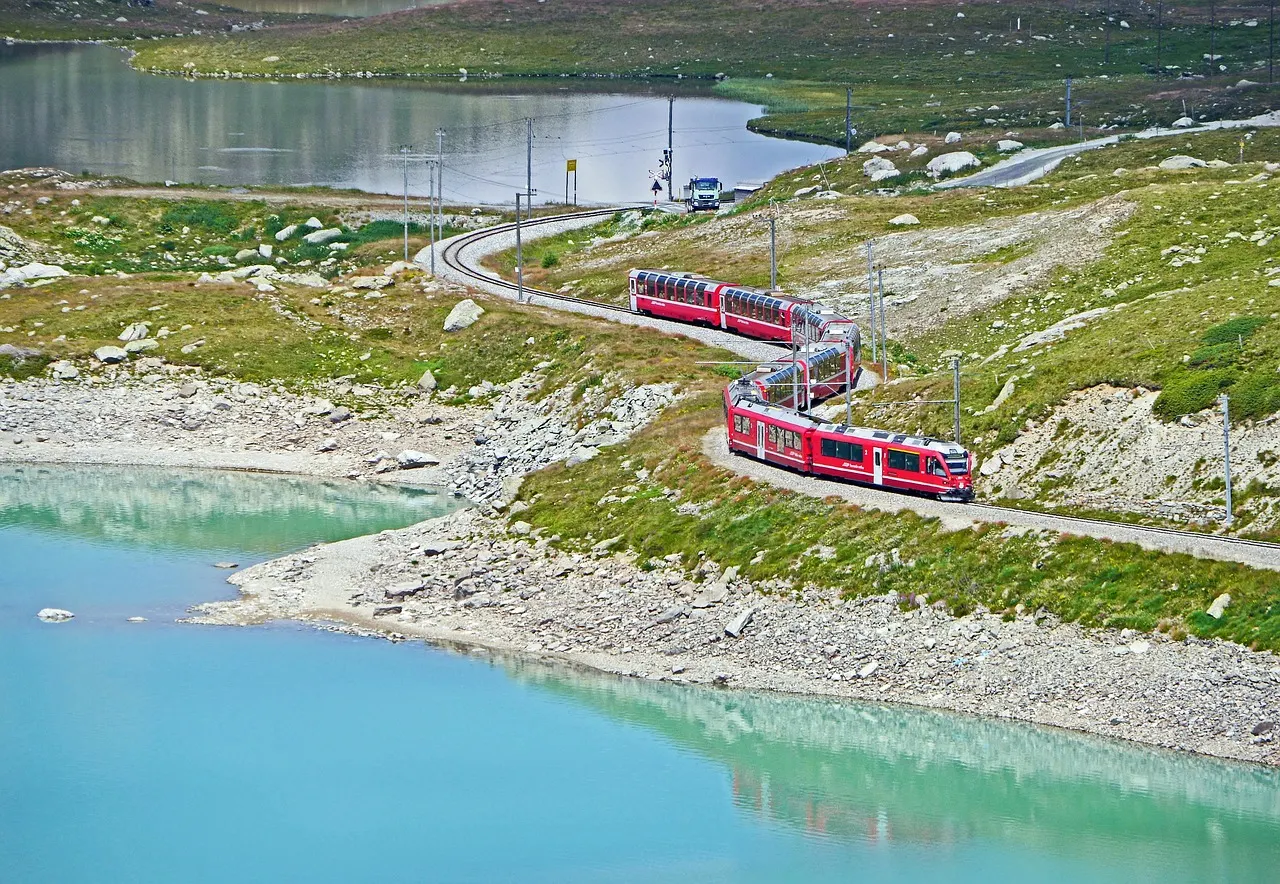
Bernina Pass sits at around 2,328 meters. The road runs alongside turquoise lakes at the summit, offering views of the Bernina range glaciers, and it is a pass that is normally open year-round (except during snowstorms). The total distance today is around 195 kilometers, with a map driving time of about 3.5 hours. But with mountain roads and sightseeing stops, you should allow a full day before returning to your stay in the Engadin.
Day 4: Engadin Valley, Scenic Passes, and Return to Zurich
The Engadin is an alpine valley featuring several interconnected lakes, including Lake St. Moritz, Silvaplana, and Sils. In the morning, we recommend a leisurely drive along the lakes, stopping at villages with traditional painted Engadin stone houses, then choosing a route back to Zurich based on weather and your preference.
- Albula Pass Narrow road, raw landscapes, open only in summer. Descends toward Bergün and passes near the Landwasser Viaduct before continuing to Davos and back to Zurich. Total distance is around 230 kilometers.
- Julier Pass A wider road, normally open year-round, ideal as an alternative when the weather is poor.
- Flüela Pass Connects Lower Engadin with Davos. The lake at the summit is stunning; closed in winter.
Spend your last night in Zurich or near the airport to avoid rushing on your departure day.
Day 5: Return the Car and Depart from Zurich
On your final morning, refuel according to the rental car company's policy, inspect the vehicle with staff, and head to the airport. If you have an evening flight, there is still time for shopping in Zurich or relaxing by the lake before flying.
Want to Add a Scenic Train Ride? Where to Fit It in
This region is home to two of Switzerland's most famous scenic train journeys. Both operate on the Rhaetian Railway network, with the Albula and Bernina lines designated as UNESCO World Heritage Sites.
- Bernina Express Runs between Chur or St. Moritz, crossing Bernina Pass down to Tirano in Italy. The route's highest point is at Ospizio Bernina at around 2,253 meters. If you want to experience the train without giving up a day of driving, you can take a short ride from St. Moritz to Alp Grüm and back on the morning of Day 4.
- Glacier Express Runs between Zermatt and St. Moritz, passing through Oberalp Pass and the Ruinaulta gorge. If anyone in your group prefers not to drive, they can ride the train for certain sections on Day 2 and meet at the station, where the car picks them up.
Seat reservations are recommended for both trains, especially in the summer. Timetables and reservation fees should be checked on the official website before traveling.
Best Time to Visit and Mountain Pass Closures
Most high mountain passes on this route are open only in summer. The most reliable window is roughly June through October. Stelvio and Umbrail passes, which are over 2,500 meters high, typically open later and close earlier than others. Actual opening and closing dates depend on snowfall each year, so always check road conditions before setting out, both on the Canton of Graubünden website and with local Italian authorities.
July through August offers the lushest green scenery but has the largest crowds. In September, the weather cools down, crowds thin out, and the leaves begin to change color—a favorite time for many road trippers.
Things to Know About Driving in Switzerland
- Swiss highways require a motorway vignette, and speed cameras are very strict with heavy fines.
- Headlights must be on at all times, even during the daytime.
- On narrow mountain roads, give way to uphill vehicles, and yellow postal buses (PostBus) always have the right of way.
- On long descents, shift into a low gear for engine braking to keep the brakes from overheating.
- Gas stations are scarce in the mountains; always fill your tank before heading up a mountain pass.
Want to read more Swiss driving tips and experiences? Check out Rin's Review: How to Drive in Switzerland – Differences Between Summer and Winter
How Can a Private Swiss Trip with See You Again Help?
- Choose your vehicle as you like Whether you want to drive yourself in a sports car, convertible, or high-performance car, or sit back comfortably in a private van with driver, we help find the right vehicle for your group and travel dates.
- Flexible travel dates Choose your own dates, adjust the itinerary order, add or reduce days, or extend the trip to Italy and other parts of Switzerland.
- Handpicked hotel locations We select accommodations near the start of the passes, with parking and great views, so you never have to backtrack each day.
- Support throughout the trip We provide GPS-ready routes, check pass conditions before travel, arrange airport transfers, and have a team available to contact throughout the trip.
Related Tours
- Switzerland - Italy Private Tour: Bernina Express & Glacier Express 7 Days 6 Nights (ITA020)
- Grand Switzerland Private Tour 8 Days 7 Nights (SWS005)
Interested in driving the Swiss Alps and Stelvio Pass? Feel free to reach out to us. We will help plan the route, select the vehicle, and choose accommodations to fit your group. Contact Rin via LINE 004207289999999 or call 083 035 9755 (10.00-17.00) or chat with us on the website anytime.
Planning it yourself?
What independent travellers usually book before they go, from providers that actually work
Partner links · we may earn a small commission when you book, your price stays the same